सरवाष्टकवर्ग क्या है? वेदिक ज्योतिष में भविष्यवाणी की संपूर्ण गाइड
ज्ञात करें कैसे सरवाष्टकवर्ग ग्रहों की शक्ति को प्रकट करता है। सटीक वेदिक ज्योतिष अंतर्दृष्टि के लिए कुल अष्टकवर्ग स्कोर का उपयोग कर भविष्यवाणी विधि सीखें।
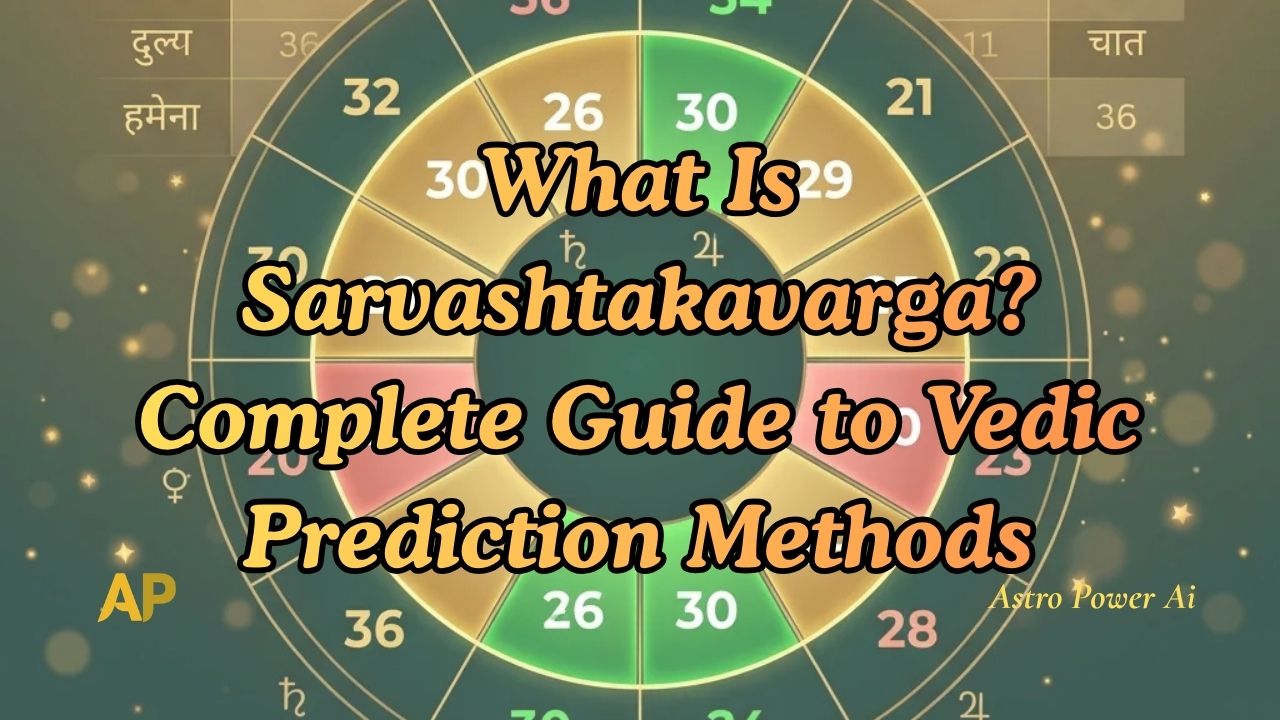
ग्रहों की सूक्ष्म शक्तियों को समझना केवल जन्म कुंडली में उनकी स्थिति से परे है। जबकि मानक वेदिक ज्योतिष राशियों और भावों पर केंद्रित होता है, सरवाष्टकवर्ग प्रणाली आपके जन्म पत्र में हर भाव के लिए विश्लेषण का एक गहरा परत प्रदान करती है। यह प्राचीन विधि हर भाव में अलग-अलग ग्रहों की कैसे सहायता करती है, इसका एक मात्रात्मक अंकन प्रदान करती है। इस तकनीक को महारत हासिल करके, आप अपनी भविष्यवाणियों को परिष्कृत कर सकते हैं और ग्रहों के प्रभावों की संयुक्त शक्ति को अधिक सटीकता से समझ सकते हैं।
यदि आप इस जटिल प्रणाली में नए हैं, तो आप सोच सकते हैं कि यह सामान्य कुंडली पाठ से कैसे भिन्न है। उत्तर अष्टकवर्ग प्रणाली में विशेष बिंदुओं को सौंपने की अवधारणा में निहित है जो हर भाव पर ग्रहों के स्थानांतरण और विभाजन के आधार पर है। उन लोगों के लिए जो इस उन्नत उपकरण का अनुसंधान करने के लिए तैयार हैं, हम विस्तृत मुफ्त कुंडली शुरू करने की सलाह देते हैं। यह दृष्टिकोण अस्पष्ट ज्योतिषीय कथनों को मापने योग्य संभावनाओं में बदल देता है, जो आपको अपने भविष्य के बारे में सूचित निर्णय लेने में मदद करता है।
अष्टकवर्ग की मूल बातें समझना
इस भविष्यवाणी प्रणाली की नींव बंधुओं या बिंदुओं की अवधारणा पर टिकी है, जो किसी विशिष्ट भाव में ग्रह के शुभ या अशुभ शक्ति का प्रतिनिधित्व करते हैं। प्रत्येक ग्रह अपनी स्थिति के आधार पर कुंडली के भावों को या तो सकारात्मक या नकारात्मक बिंदु योगदान करता है। यह प्रक्रिया सभी सात ग्रहों के लिए दोहराई जाती है, ताकि एक व्यापक प्रोफाइल बनाने के लिए। लक्ष्य यह देखना है कि ग्रहों की ऊर्जा कहाँ सबसे अच्छी तरह से समर्थित है और कहाँ वे चुनौतियाँ पैदा कर सकते हैं।
सरल शब्दों में, इन बिंदुओं को ग्रहों द्वारा प्रभावित भावों को दिए गए वोट के रूप में सोचें। एक उच्च स्कोर वाला भाव मजबूत माना जाता है और ग्रहों के उन अवधियों के दौरान अच्छे परिणाम देने के लिए सक्षम होता है। इसके विपरीत, एक कम स्कोर कमजोरी को इंगित करता है, जहाँ भी शुभग्रह अनुकूल परिणाम देने में संघर्ष कर सकते हैं। यह प्रणाली आपके पाठ में एक महत्वपूर्ण आयाम जोड़ती है जो जीवन के क्षेत्रों को हाइलाइट करती है जो स्वाभाविक रूप से लचीले हैं versus जिनके अतिरिक्त ध्यान या उपायों की आवश्यकता है।
अपने स्वयं के विश्लेषण के साथ शुरू करने के लिए, आपको समझना होगा कि ये बिंदु बारह भावों में कैसे वितरित किए जाते हैं। वितरण यादृच्छिक नहीं है; यह उत्तरार्द्ध के सापेक्ष ग्रहों की स्थिति के संबंध में कठोर खगोलीय नियमों का पालन करता है। इसका मतलब है कि वही ग्रह एक भाव में बिंदु जोड़ सकता है जबकि दूसरे में घटा सकता है, यह इसकी स्थिति पर निर्भर करता है। चार्ट को एक साथ देखना गलत व्याख्या से बचने के लिए आवश्यक है।
शुभ और शत्रु ग्रहों की भूमिका
यह पहचानना महत्वपूर्ण है कि कौन से ग्रह शुभ या शत्रु के रूप में कार्य करते हैं, जो अष्टकवर्ग प्रणाली के संदर्भ में सही व्याख्या के लिए महत्वपूर्ण है। अष्टकवर्ग प्रणाली के संदर्भ में, यह वर्गीकरण विशिष्ट भाव और उत्तरार्द्ध राशि पर निर्भर करता है, न कि एक निश्चित परिभाषा पर। उदाहरण के लिए, बुध को सामान्य रूप से एक शुभ माना जाता है, लेकिन यह एक विशेष भाव के लिए नकारात्मक योगदान दे सकता है यदि यह एक दुष्टान में स्थित है या निलंबित है। इन सूक्ष्म बातों को समझने के लिए आपकी अद्वितीय जन्म डेटा के लिए अधिक सटीक भविष्यवाणी विधि की अनुमति देता है।
शुभ ग्रहों में परंपरागत शुभ ग्रह जैसे गुरु, शुक्र और बुध शामिल हैं जब अच्छी तरह से स्थित होते हैं, जबकि शत्रु में मंगल, शनि और सूर्य शामिल हैं। हालाँकि, उनके प्रभाव की शक्ति विशिष्ट भाव का विश्लेषण करने के आधार पर काफी भिन्न होती है। एक ग्रह सामान्य रूप से शत्रु हो सकता है लेकिन एक ऐसे भाव में एक मजबूत सकारात्मक बिंदु प्रदान कर सकता है जहाँ वह उच्च स्थिति में है। यह गतिशील प्रकृति ही इस प्रणाली को विस्तृत जीवन पूर्वानुमान के लिए इतनी शक्तिशाली बनाती है।
अपने चार्ट का विश्लेषण करते समय, शनि और मंगल के योगदान पर करीब से ध्यान दें, क्योंकि वे अक्सर एक भाव की दीर्घकालिक स्थिरता को निर्धारित करते हैं। उनके बिंदुओं यह तय करने वाले कारक हो सकते हैं कि जीवन का एक अवधि वृद्धि या विराम लाएगा या नहीं। इन विशिष्ट योगदानों को ट्रैक करके, आप सावधानी की समय की या विस्तार के अवसरों की अनुमान लगा सकते हैं बिना केवल सामान्य स्थानांतरण भविष्यवाणियों पर निर्भर किए।
अपने कुल अष्टकवर्ग स्कोर की गणना
कुल अष्टकवर्ग स्कोर एक विशिष्ट भाव के लिए सात ग्रहों द्वारा योगदान किए गए सभी बिंदुओं का योग है। यह संख्या शून्य से न्यूनतम से चालीस-नौ अधिकतम तक होती है, हालाँकि सामान्य स्कोर पैंतीस और चालीस के बीच गिर जाते हैं। पैंतीस-पांच से अधिक स्कोर आमतौर पर बहुत मजबूत माना जाता है, जो इंगित करता है कि एक भाव कठोर ग्रहों के अवधियों के दौरान भी अच्छी तरह से कार्य करेगा। पैंतीस से कम स्कोर कमजोरी का सुझाव देता है, जिसकी आवश्यकता होती है कि उपाय या सावधानी से योजना के लिए।
इस स्कोर को मैन्युअल रूप से गणना करने के लिए, आपको पहले प्रत्येक ग्रह के लिए अष्टकवर्ग चार्ट उत्पन्न करना होगा और फिर प्रत्येक भाव के लिए बिंदुओं को जोड़ना होगा। यह प्रक्रिया जटिल खगोलीय गणनाओं शामिल है जो सटीकता के लिए विशेष सॉफ्टवेयर या विशेषज्ञ ज्योतिषियों को छोड़ना बेहतर है। अधिकांश ऑनलाइन प्लेटफार्म अब अपनी व्यापक रिपोर्टों में इन गणनाओं को शामिल करते हैं, जो आपको समय और प्रयाच बचाते हैं।
एक बार आपके पास स्कोर हों, तो सभी बारह भावों में उन्हें तुलना करने के लिए सबसे मजबूत जीवन क्षेत्रों की पहचान करें। उदाहरण के लिए, दसवें भाव में एक उच्च स्कोर करियर सफलता का संकेत देता है, जबकि सातवें भाव में एक उच्च स्कोर एक सहायक साझेदारी को इंगित करता है। यह तुलना आपको जीवन की ऊर्जा कहाँ केंद्रित है और कहाँ यह कमी हो सकती है, का एक स्पष्ट नक्शा देता है।
घटनाओं के समय करने के लिए भविष्यवाणी विधि का उपयोग
सरवाष्टकवर्ग का उपयोग करके घटनाओं के समय के भविष्यवाणी विधि में उन भावों की सक्रियता और मजबूती को देखना शामिल है। जब एक प्रमुख अवधि या उप-अवधि एक उच्च स्कोर वाले भाव को सक्रिय करती है, तो परिणाम संभावित रूप से सकारात्मक और चिकने होंगे। इसके विपरीत, यदि सक्रिय भाव का स्कोर कम है, तो आपको बाधाओं या देरी की उम्मीद करनी चाहिए, भले ही ग्रह सामान्य रूप से शुभ माना जाता है।
घटनाओं का समय भी स्थानांतरण देखता है और वे भाव स्कोर के साथ कैसे इंटरैक्ट करते हैं। यदि एक शुभ ग्रह एक कम स्कोर वाले भाव में स्थानांतरित करता है, तो वह अभी भी पूर्ण परिणाम देने में संघर्ष कर सकता है। हालाँकि, यदि स्थानांतरण एक उच्च स्कोर वाले भाव से हिट करता है, तो प्रभाव काफी बढ़ा दिए जाते हैं। इस विश्लेषण की परत महत्वपूर्ण जीवन घटनाओं के लिए विशिष्ट तिथियों को बिंदु करने में मदद करती है जैसे शादी, नौकरी बदलना या संपत्ति खरीदना।
दशा अवधियों के साथ भाव स्कोर की मजबूती को जोड़कर, आप अपने समय रेखा का एक बहु-आयामी दृश्य बनाते हैं। यह विधि मूल दशा विश्लेषण से बेहतर है क्योंकि यह भाव के संदर्भ में निहित मजबूती को ध्यान में रखता है। यह भविष्यवाणियों में गलत सकारात्मकता की संभावना को कम करता है और आपको चुनौतीपूर्ण अवधियों के लिए पहले से तैयार करने में मदद करता है।
आपके चार्ट में भाव मजबूतियों की व्याख्या
भाव मजबूतियों की व्याख्या करने के लिए बारह भावों द्वारा प्रतिनिधित्व जीवन के प्रत्येक क्षेत्र के विशिष्ट संदर्भ को देखने की आवश्यकता है। उदाहरण के लिए, पहला भाव स्वयं और स्वास्थ्य का प्रतिनिधित्व करता है, जबकि दूसरा धन और परिवार का प्रतिनिधित्व करता है। दूसरे भाव में एक उच्च स्कोर वित्तीय स्थिरता का संकेत देता है, लेकिन आपको उस भाव के स्वामी की स्थिति को भी ध्यान में रखना होगा।
यहाँ प्रमुख भावों में स्कोर की व्याख्या के लिए एक त्वरित संदर्भ निर्देशिका है:
| भाव संख्या | जीवन क्षेत्र | स्कोर रेंज | व्याख्या |
|---|---|---|---|
| 1 | स्व और स्वास्थ्य | 30+ | मजबूत वीर्य और व्यक्तित्व |
| 2 | धन और भाषण | 30+ | स्थिर आय और अच्छा अभिव्यक्ति |
| 4 | खुशी और घर | 30+ | शांत घरेलू जीवन |
| 7 | साझेदारी | 30+ | सुसंगत रिश्ते |
| 10 | करियर और स्थिति | 30+ | पेशेवर सफलता और मान्यता |
| 12 | हानि और आध्यात्मिक | 30+ | आध्यात्मिक विकास और विदेशी यात्रा |
यह तालिका एक सामान्य ढांचा प्रदान करती है, लेकिन व्यक्तिगत चार्ट उत्तरार्द्ध के आधार पर भिन्न होंगे। एक चार्ट में पैंतीस का स्कोर एक अन्य के मुकाबले प्रभाव में अलग हो सकता है, इसलिए हमेशा मुख्य चार्ट के साथ ग्रहों की स्थिति को क्रॉस-रेफरेंस करें। यह भी ध्यान देना महत्वपूर्ण है कि एक भाव में बहुत उच्च स्कोर मुख्य चार्ट में उस भाव के स्वामी कमजोर होता है तो भी सफलता की गारंटी नहीं देता है।
शुरुआती लोगों द्वारा की जाने वाली सामान्य गलतियाँ
अष्टकवर्ग प्रणाली में नए आने वाले विशिष्ट त्रुटियाँ करते हैं जो असटीक पाठों की ओर ले जा सकती हैं। एक सामान्य गलती कम स्कोर वाले भावों को अनदेखा करना और केवल उच्च-स्कोर वाले पर ध्यान केंद्रित करना है। जबकि मजबूत भाव अच्छे हैं, कम भाव अक्सर निर्धारित करते हैं कि आप अपनी ऊर्जा कहाँ अधिक खर्च करना चाहिए या उपायों की आवश्यकता है। उनका उपेक्षा करने से जीवन विश्लेषण में महत्वपूर्ण अंधेरे बिंदु छोड़ सकते हैं।
एक बार अक्सर त्रुटि यह मानना है कि एक उच्च स्कोर सफलता की गारंटी देता है बिना दशा अवधियों को विचार किए। एक भाव मजबूत हो सकता है, लेकिन यदि शासन कर रहा ग्रह एक शत्रु उप-अवधि से गुजर रहा है, तो परिणाम अभी भी मिश्रित होंगे। आपको हमेशा दशा प्रणाली के समय के साथ भाव स्कोर को एकीकृत करने के लिए एक पूर्ण चित्र के लिए। ऐसा करने में विफल होना असत्य सकारात्मक रूप से भविष्यवाणियों में नेतृत्व कर सकता है जो वास्तविकता से मेल नहीं खाती है।
यहाँ चार मुख्य चालों के लिए देखने के लिए हैं:
- भविष्यवाणी में स्कोर को एकमात्र कारक मानना।
- भाव स्वामी और स्कोर के बीच संबंध को अनदेखा करना।
- दशा एक विशिष्ट भाव का संकेत देते समय स्थानांतरण को अनदेखा करना।
- मानना है कि सभी भावों को समान स्कोर होना चाहिए।
इन त्रुटियों को समझना आपकी दृष्टिकोण को परिष्कृत करने और अधिक विश्वसनीय अंतर्दृष्टि में मदद करता है। हमेशा सामंजस्य सुनिश्चित करने के लिए मुख्य जन्म चार्ट और ग्रह के पहलू के साथ अष्टकवर्ग डेटा को क्रॉस-चेक करें।
⭐ अपनी मुफ्त कुंडली उत्पन्न करें अपने विशिष्ट भाव स्कोर देखने और आज अपने विश्लेषण शुरू करने के लिए।
निष्कर्ष
सरवाष्टकवर्ग एक शक्तिशाली उपकरण है जो हर भाव में ग्रहों की शक्ति को मात्रात्मक करके वेदिक ज्योतिष में गहराई और सटीकता जोड़ता है। कुल अष्टकवर्ग स्कोर और ग्रहों की संयुक्त शक्ति को समझकर, आप स्पष्टता और आत्मविश्वास के साथ जीवन का नेतृत्व कर सकते हैं। चाहे आप करियर का आंदोलन योजना बना रहे हों या एक रिश्ता मूल्यांकन कर रहे हों, यह विधि निर्णय लेने के लिए एक मजबूत नींव प्रदान करती है।
उन लोगों के लिए जो इन अंतर्दृष्टि में गहराई से जाना चाहते हैं, हम आपसे हमारे AI गुरु से व्यक्तिगत मार्गदर्शन के लिए परामर्श करने के लिए प्रोत्साहित करते हैं। यह उपकरण आपके विशिष्ट जीवन लक्ष्यों और चुनौतियों के संदर्भ में आपके स्कोर को व्याख्या करने में मदद कर सकता है। याद रखें, ज्योतिष एक गाइड है, और इन उन्नत उपकरणों का उपयोग करने से आप अपने नियति को नियंत्रित करने के लिए सशक्त बनाते हैं।
⭐ हमारे AI गुरु से परामर्श करें अपने सरवाष्टकवर्ग स्कोर का एक विस्तृत विश्लेषण करने के लिए।
अधिक ग्रहों के उपायों और कमजोर भावों को मजबूत करने के बारे में अधिक पढ़ने के लिए, हमारी उपाय पेज पर जाएं। हमारे पास एक मुफ्त राशिफल उपकरण भी है जो आपको दैनिक ग्रहों के प्रभावों के लिए अपडेट रखने के लिए। अपने चार्ट को पूरी तरह से समझने के लिए तकनीकी विश्लेषण और व्यावहारिक अनुप्रयोग दोनों की आवश्यकता है, और हम आपके यात्रा का समर्थन करने के लिए यहाँ हैं।
Cover photo by Erik Schereder on Pexels.
अक्सर पूछे जाने वाले प्रश्न
अपनी कुंडली अभी देखें
60 सेकंड में मुफ्त कुंडली बनाएं। हमारे AI ऋषि पराशर हर स्थिति समझाएंगे — कोई ज्योतिष ज्ञान की आवश्यकता नहीं।